
Domain bridges the gap between theory and application

Established in 2017, we focus on teaching user experience design through structured demonstrations and applied learning.

Our platform eliminates the friction of traditional learning schedules. Students access focused lessons when they need them, review techniques as often as necessary, and build real competence through repeated practice.

We work with experienced practitioners who teach what they actually do. Each course shows you the exact steps, explains why each decision matters, and gives you the frameworks to apply these techniques to your own projects.

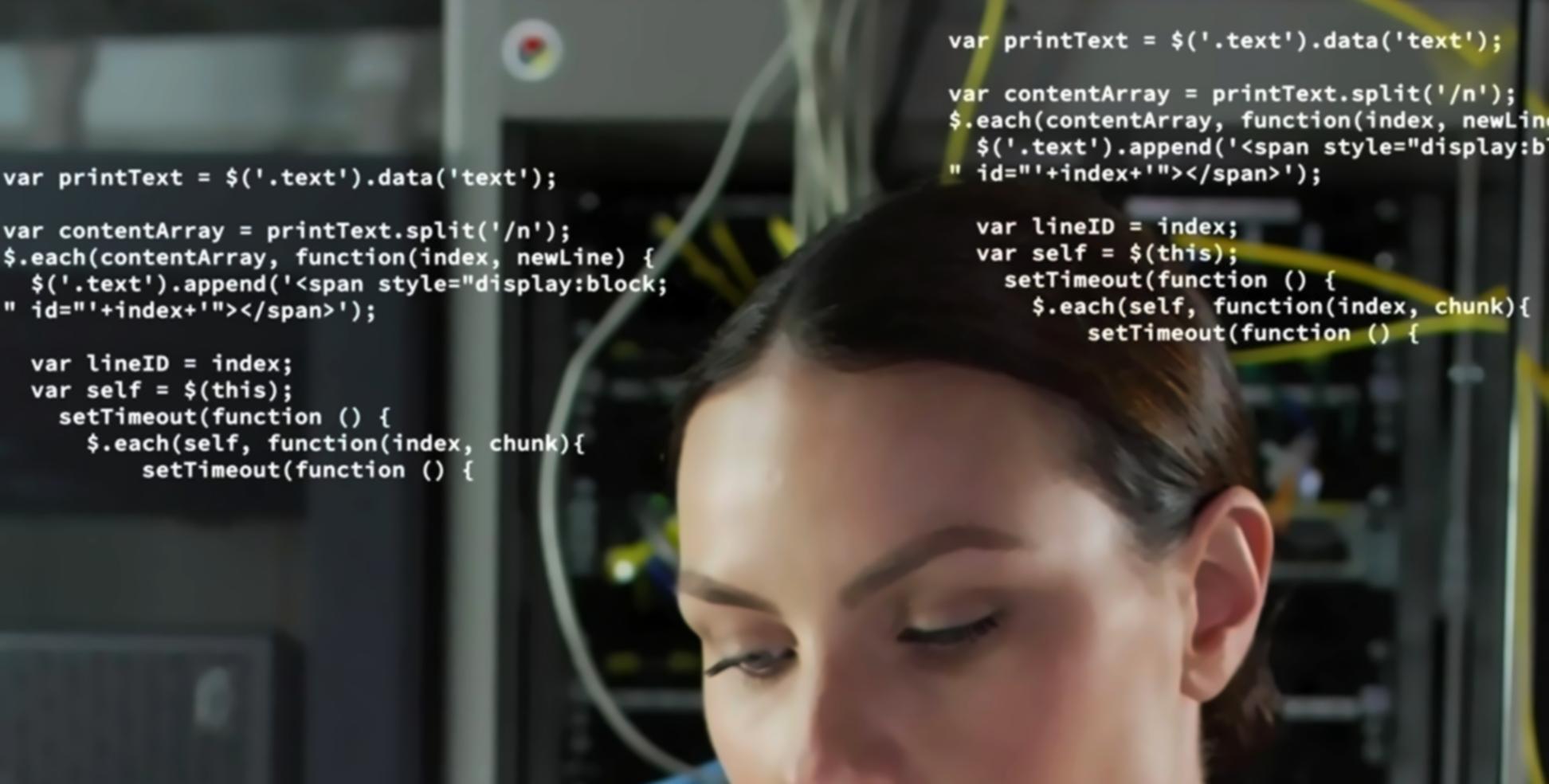
Professional workspace demonstrating user experience design methodology

Demonstration-first teaching

Instructors work through actual design problems on screen. You see the tool in use, the choices being made, and the reasoning behind each step.

Repeatable frameworks

Every technique is presented as a systematic process you can follow. We break complex skills into discrete actions that produce consistent results.

Reference materials

Students receive templates, checklists, and documentation for each lesson. These resources support independent practice and reduce the need to re-watch for basic information.

Progress through application

We structure courses so each lesson builds on previous work. You develop a portfolio of applied techniques rather than consuming disconnected lectures.

Instructor expertise verification

Our instructors maintain active design practices. They teach methods they currently use in professional work, not outdated approaches from years past.

Focused lesson duration

Most lessons run between 18 and 32 minutes. This length allows detailed demonstration without requiring multi-hour viewing sessions.


What our curriculum covers

User research and testing methodology demonstration
Research methods

User interviews, usability testing, behavioral analysis

Information architecture and navigation design process
Information architecture

Navigation systems, content organization, hierarchy design

Interface prototyping and interaction design workflow
Interaction design

Prototyping, microinteractions, responsive patterns

Visual design principles and component systems
Visual systems

Typography, color theory, component libraries

Accessibility standards and inclusive design practices
Accessibility compliance

WCAG standards, assistive technology, inclusive design

Who teaches these courses

Our instructors maintain active design careers while teaching. They document their current processes and update course material as industry standards evolve.

Ingrid Vestergaard, Lead UX Architect

Ingrid Vestergaard

Lead UX Architect

Ingrid spent 11 years designing enterprise software interfaces for financial and healthcare systems. She specializes in complex data visualization and teaches the structural decisions that make dense information comprehensible.

  • Information hierarchy for data-heavy applications
  • Dashboard design and metric presentation
  • Workflow optimization for multi-step processes
Callum Fitzroy, Interaction Design Specialist

Callum Fitzroy

Interaction Design Specialist

Callum designs consumer-facing mobile applications with emphasis on gesture-based interfaces. His courses demonstrate prototype-driven design and user testing integration throughout the development cycle.

  • Mobile interaction patterns and touch interfaces
  • Animation as functional communication
  • Rapid prototyping with modern design tools